
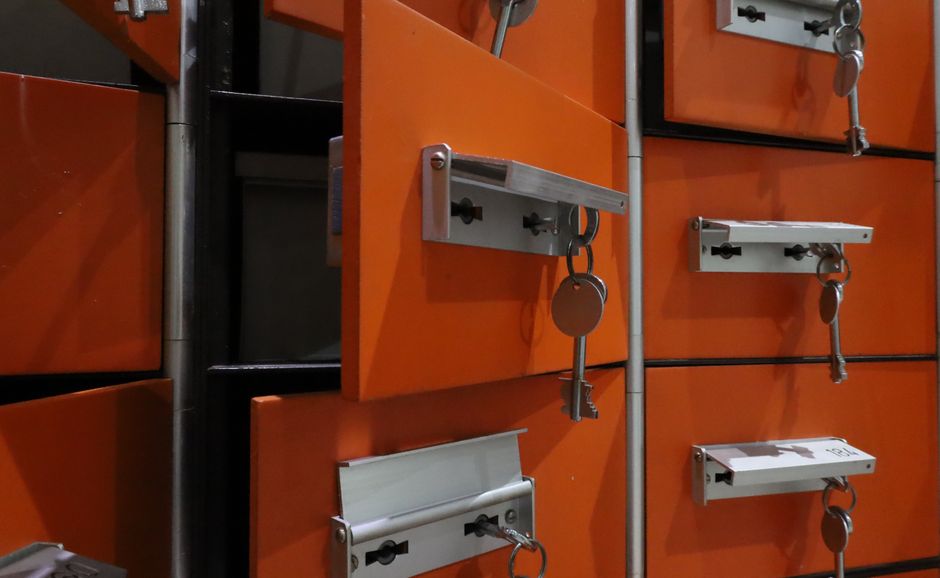
A cylinder lock for a storage unit is a key-operated locking mechanism built directly into your storage door. It’s the same basic technology you use on your front door at home, but engineered to handle the wear, weather, and security demands of a storage facility.
The biggest difference is how it’s built: instead of being mounted on top of the door like some locks, a cylinder lock sits inside the door frame itself. This hidden placement makes it way harder for someone to fiddle with or break the lock from the outside. That’s why storage facilities rely on them so heavily.
Related: Gas Station Storage Room Key: What You Need to Know
If you’re renting a storage unit or managing one, understanding how your cylinder lock works and what to look for can save you headaches down the road. Let’s walk through what you need to know.
How a Cylinder Lock Works on a Storage Door
The mechanics are straightforward. You insert your key into the cylinder (the part that sticks out), turn it, and the locking bolt slides into place. Turn it the other way, and the bolt retracts so you can open the door.
What makes this design smart for storage is that the actual locking mechanism lives inside the door. Thieves can’t just grab the lock and smash it. They’d have to damage the entire door frame to get past it, which takes time and makes noise. That’s a strong deterrent.
Most storage unit cylinder locks use what’s called a tubular key system. These keys are round and multi-sided, not the flat keys you use on regular doors. That extra complexity makes them tougher to duplicate without authorization, which is another layer of security your facility probably cares about.
Related: Door Lock with Key: Types, Security & When to Call a Pro
Getting the Right Cylinder Lock for Your Storage Unit
Here’s the thing: you probably can’t just walk into a hardware store and grab any cylinder lock you like. Storage unit doors are built to specific dimensions and locking standards.
Related: Safe Lock: Types, Features & How to Choose the Right One
Most facilities require you to get your replacement lock directly from the office or from an approved vendor they recommend. This isn’t them being difficult. It’s because they need to make sure the lock actually fits your door and matches the security standards for the whole facility.
If you’re replacing a broken lock, start by checking your lease agreement or asking the facility manager which locks are compatible. They’ll know exactly what works with your door type, whether it’s a standard swing door or a roll-up door.
Heavy-duty cylinder locks are the standard for storage applications. They’re built to withstand temperature swings, moisture, and constant use without wearing out. Don’t cheap out here. A durable lock is an investment in actually protecting your stuff.
Key Features That Matter
When you’re comparing cylinder locks for storage, focus on these qualities.
- Security rating: Look for locks with anti-pick and anti-drill features. Some modern models have hardened steel pins and reinforced cylinders that resist forced entry.
- Weather resistance: Storage units are exposed to outdoor conditions. Your lock needs to handle rust, corrosion, and temperature changes without jamming.
- Auto-snap mechanism: Some newer models have an automatic engagement feature that locks the bolt firmly into place when the door closes, reducing wobble and the risk of accidental opening.
- Key duplication limits: Tubular key systems are harder to copy without a special machine, which keeps your access more controlled.
- Door compatibility: Verify the lock matches your specific storage door type before buying. Roll-up doors, side-swing doors, and overhead doors all have different requirements.
Installation and Maintenance Tips
If you’re installing a new cylinder lock yourself (and your facility allows it), take your time. Forcing a lock into a misaligned door can bend the bolt or crack the frame.
Line up the bolt holes carefully, insert the lock, and tighten fasteners gradually so everything seats evenly. If anything feels stiff or unnatural, stop and double-check your alignment.
After installation, test the lock a few times with your key. It should turn smoothly without grinding sounds or catching halfway.
Related: Residential Lock Installation in Wasco: A Homeowner’s Guide
Related: Parts of a Lock Explained: A Homeowner’s Guide
For maintenance, keep the lock dry and lubricated. A silicone-based lubricant works well; avoid oil-based products that attract dirt. If your key starts sticking or turning gets hard, that’s a sign moisture or debris is getting inside. Address it soon before the lock jams completely.
If you’re not comfortable installing it yourself or something doesn’t feel right, Joes Lock And Key can handle the job quickly so you know it’s done right.
Common Problems and Quick Fixes
Key won’t turn: Usually this means the lock is frozen from weather exposure or a tiny debris. Try a silicone spray lubricant and gentle turns. If it still won’t budge after a couple of attempts, stop and call a pro rather than forcing it.
Lock is loose in the door: The fasteners have probably loosened from vibration or weather movement. Tighten them evenly. If the bolt itself moves independently of the cylinder, the internal mechanism may be damaged and the lock should be replaced.
Key breaks inside the lock: This is a job for a locksmith. Don’t try to fish it out with tweezers or screwdrivers; you’ll just make it worse. A professional can extract the broken piece and get you back in.
Bolt won’t extend or retract smoothly: This usually points to internal wear or corrosion. It’s time for a replacement lock.
Why Security Should Be Your Priority
Your storage unit probably holds things that matter to you, whether that’s seasonal gear, important documents, or family items. Don’t compromise on the lock that protects it.
A cheap or worn-out lock is an open invitation to theft. Upgrading to a heavy-duty cylinder lock with modern security features costs less than what you’d lose if your unit gets broken into.
Many storage facilities actually require certain lock grades. Check your lease or facility rules. If you’re unsure whether your current lock meets standards, ask the office. A better lock often means lower insurance premiums on stored items too.
When something goes wrong with your lock and you need professional help right away, Joes Lock And Key offers emergency locksmith services for storage units and other residential needs throughout the area.
People Also Ask

Can I use a padlock instead of a cylinder lock?
Some storage facilities allow padlocks as an alternative, but they’re easier to cut through with bolt cutters. Cylinder locks built into the door are almost always more secure because the bolt is anchored inside the frame where it’s much harder to access. Check your lease to see what your facility allows.
What if I lose my key to a storage unit cylinder lock?
Contact your storage facility office immediately. They may have a master key or spare on file. If your lock is damaged and can’t be opened easily, you’ll need a locksmith to extract the cylinder and replace it. This is why it’s smart to keep a spare key somewhere safe at home.
Are tubular keys more secure than regular flat keys?
Yes, generally. The round, multi-sided design makes them harder to pick and duplicate without the right equipment. That’s why storage facilities prefer them. However, security depends on the entire lock system, not just the key shape. A high-quality cylinder lock with good internal pins and hardened steel is what really matters.
Can I rekey a cylinder lock if I want a different key?
In theory, yes. Rekeying involves replacing the internal pins so a different key works. But most storage facilities have rules about this, and you’ll need a locksmith to do it properly. Always get permission from your facility before rekeying anything.