
If you’re thinking about upgrading your home or business security, high-security lock installation in Kern County is one of the smartest moves you can make. These locks are built tougher, harder to pick or bump, and designed to give you peace of mind that a standard lock just can’t match. But here’s the thing: they only work if they’re installed right. Let’s walk through what high-security locks are, why they matter, and how to make sure yours get installed properly.
What Are High-Security Locks?
High-security locks aren’t just regular locks with a fancier name. They’re engineered with advanced features that make them resistant to common break-in methods. Think of them as the difference between a basic car lock and a vault lock. They use special pins, reinforced materials, and designs that are way harder to manipulate.
These locks come with security ratings that matter. The best ones are pick-resistant, bump-resistant, and drill-resistant. That means someone can’t just fiddle with them with basic tools or exploit common vulnerabilities. They’re the kind of lock that makes a burglar move on to an easier target.
Related: Door Lock with Key: Types, Security & When to Call a Pro
High-Security Lock Installation for Residential Homes
Your home is your sanctuary, and your front door is the first line of defense. High-security locks are especially popular for residential entry doors because they give you real control over who gets in and out.
Related: Residential Lock Installation in Wasco: A Homeowner’s Guide
When you’re upgrading entry door locks, you’ve got options. You might replace just the exterior lock, or you might want to upgrade both sides. Some homeowners go for keypads, some prefer traditional keys, and others like a combination approach. Whatever you choose, the installation has to be precise. A sloppy installation can actually weaken your security, so this isn’t a DIY situation.
Residential installations also need to follow local building codes in Kern County. That might sound like boring paperwork, but these codes exist to make sure your home stays safe and compliant. If you ever sell your home or file an insurance claim, having everything up to code matters. Joes Lock And Key handles all that compliance stuff so you don’t have to wonder if you’re doing it right.
Commercial High-Security Lock Systems
Businesses in Kern County face different security challenges than homes. You’ve got employee safety to consider, inventory to protect, and customer trust to maintain. High-security locks are a critical part of that picture.
Commercial installations often go beyond just replacing a lock. You might integrate access control systems that let you manage who has keys, when they use them, and create an audit trail. You can restrict access to sensitive areas, change permissions instantly if someone leaves the company, and keep detailed records of who accessed what and when.
Panic devices are another piece of the commercial puzzle. These are specially designed locks that let people exit quickly in an emergency while keeping intruders out. They’re required by code in many commercial spaces, and they have to work with your high-security system seamlessly.
The installation process for commercial systems is more complex than residential work. You’re often dealing with multiple doors, different security levels for different areas, and the need to keep your business running while the work happens. That’s why professional installation is non-negotiable.
ADA Compliance and Accessibility

Here’s something a lot of people don’t think about: high-security locks need to work for everyone, including people with disabilities. ADA-compliant hardware means your locks are accessible without sacrificing security.
This might mean lever handles instead of knobs, locks that don’t require tight gripping, or electronic systems that can be operated with minimal effort. It’s not about lowering security standards. It’s about making sure your security works for all the people who need to use it.
If you’re installing locks on a commercial property or a rental unit, ADA compliance might be legally required. Even if it’s not, it’s the right call. Good security should never exclude anyone.
Why Professional Installation Matters
You might be tempted to install a high-security lock yourself to save money. Don’t. Here’s why.
High-security locks have tight tolerances. The alignment has to be perfect, the strike plate has to be reinforced correctly, and the frame has to support the lock properly. A millimeter off, and your lock won’t function right. It might jam, it might not latch fully, or it might look good but fail when someone actually tries to break in.
Professional locksmiths have specialized tools and years of experience. They know how to assess your door, choose the right lock for your situation, install it correctly, and make sure it works flawlessly. They also know local codes and what inspectors are looking for.
If you need help with the installation, Joes Lock And Key can handle everything from start to finish.
Local Building Codes and Permits in Kern County
When you’re modifying your property with construction work like lock installation, local codes come into play. Building permits might be required depending on the scope of work. This isn’t the locksmith’s way of being complicated. It’s a safety and legal requirement.
Permits ensure that work meets current building standards. They create an official record that the job was done right. If you ever need to file an insurance claim or sell your property, that permit and inspection record can be valuable.
Some high-security lock jobs don’t require permits, but others do. The best approach is to check with your local Kern County building department or have your locksmith verify before the work starts. You want to know upfront whether permits are needed.
Rekeying vs. Replacing High-Security Locks
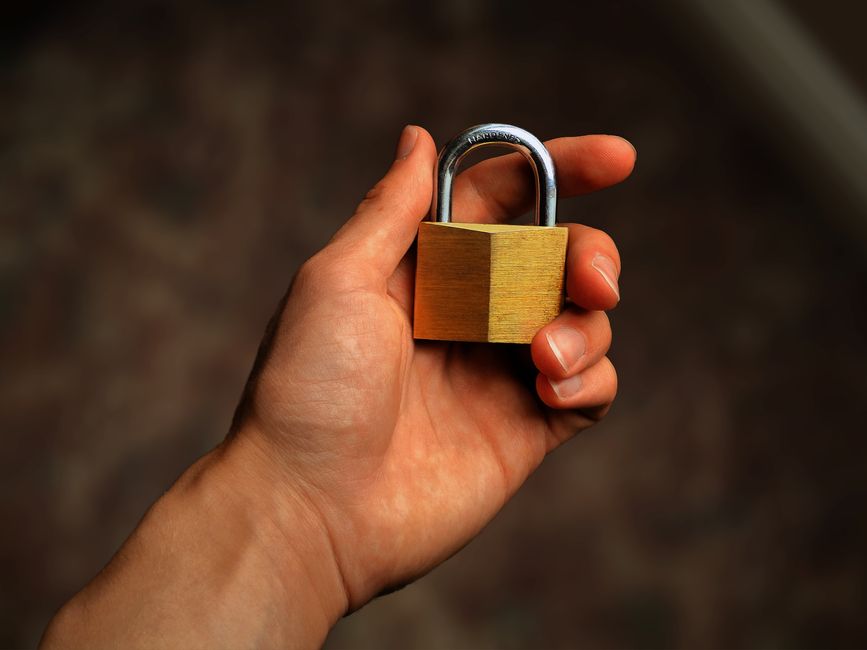
Sometimes you don’t need a brand-new lock. Sometimes you just need to rekey what you’ve got. These are two different jobs with different costs and purposes.
Rekeying means changing the internal pins so old keys stop working and new keys start working. It’s useful if you’ve lost a key, an employee left, or you want to make sure previous owners can’t get in. Rekeying keeps your existing lock but updates the security.
Replacing means taking out the old lock and putting in a new one. You do this when the lock is damaged, outdated, or when you want to upgrade to something with better security features. If you’re going from a standard lock to a high-security lock, you’re replacing, not rekeying.
Entry Door Lock Specialization
Entry doors are your biggest security concern, whether you’re protecting a home or a business. Your entry door lock is the one that gets tested by weather, by repeated use, and potentially by someone trying to get in when they shouldn’t.
Entry door locks need to be tough and reliable. High-security versions of entry door locks handle all that pressure and add layers of resistance to common attacks. They’re designed to last longer, perform better, and give you confidence that your door is actually secure.
If you’re upgrading your entry door security, start with the right lock choice and follow it up with proper installation. That combination is what actually keeps people safe.
Access Control Integration
High-security locks can be part of a larger access control system. Instead of just a key-based lock, you might have a system where only authorized people can get in, and every access is logged.
For businesses, this is powerful. You can give someone access to certain areas for certain times of day. If they leave the company, you can instantly revoke their access without changing any locks. You have a record of who went where and when.
For homes, access control might be simpler. Maybe you want a keypad so you don’t have to carry keys, or a smartphone-controlled lock so you can let someone in remotely. Modern high-security systems integrate with your overall security picture instead of standing alone.
People Also Ask
Do I really need a high-security lock? It depends on your situation. If you’re in a high-crime area, own a business with valuable inventory or sensitive information, or just want maximum peace of mind, yes. If you have a modest home in a quiet neighborhood and don’t have obvious valuables, a well-installed standard lock might be enough. But here’s the truth: a high-security lock costs more upfront but can prevent a break-in, theft, or liability issue that costs way more down the road.
How long does a high-security lock installation take? A single entry door lock typically takes an hour or two. Commercial systems with multiple doors and access control integration can take a full day or more. It depends on the scope. Professional installers can give you a time estimate once they see your doors and understand what you need.
Can I install a high-security lock myself? Technically, yes, but you shouldn’t. These locks require precision alignment, proper reinforcement, and knowledge of local codes. A mistake here isn’t like a mistake with a light fixture. A poorly installed high-security lock defeats the purpose of having one. Hire a professional.
What’s the difference between a high-security lock and a regular lock? Regular locks use simple pin designs that are easy to pick or bump. High-security locks use reinforced pins, special materials, and complex engineering that resists these common attacks. They’re tested to higher standards and rated for security performance. The trade-off is higher cost, but you’re paying for real protection.
Should I get a high-security lock for my rental property?
Yes, especially if you have multiple tenants or high turnover. A high-security lock makes it easier to rekey between tenants, and it’s harder for someone to pick if they lose their key and try to break in. You also have better control over who has keys and when. It protects your property and your tenants.
What if I need to upgrade locks on an older building?
Older buildings sometimes have doors and frames that weren’t built to handle modern high-security locks. A professional locksmith will assess your doors first. They might need to reinforce the frame, replace the strike plate with a heavy-duty version, or recommend door upgrades. The locksmith makes sure the security system actually works with what you’ve got.
Are smart locks considered high-security locks?
Not always. Some smart locks are high-security and smart. Others are just convenient but not particularly hard to break into. If you want a smart lock, look for one with high-security ratings and pick a reputable manufacturer. Integration with a professional installation from Joes Lock And Key ensures you get both the convenience and the security.
Do I need to tell my insurance company about new locks?
Check your policy, but many insurance companies care about security measures. Installing high-security locks might actually lower your premiums or give you better coverage. It shows you’re taking security seriously, which insurers like. It’s worth asking your agent about.