
If you’re searching for residential lock installation in Wasco, you’re probably facing one of a few common situations: you want to upgrade your home security, you’ve lost a key, you just moved into a new place, or a lock isn’t working the way it should. Whatever brought you here, this guide will walk you through what residential lock installation actually involves and help you decide what’s right for your home.
What Does Residential Lock Installation Actually Mean?
Residential lock installation is the process of fitting a new lock into your door. It sounds simple, but there’s more to it than just screwing something onto the outside.
Related: Cylinder Lock for Storage Unit: How to Choose & Install
Related: Parts of a Lock Explained: A Homeowner’s Guide
Related: High Security Lock Installation in Kern County: What You Need
Related: Door Lock with Key: Types, Security & When to Call a Pro
When a locksmith installs a new lock, they’re replacing the entire locking mechanism inside the door. The old lock comes out, the new one goes in, and they make sure it aligns perfectly so the key turns smoothly and the bolt slides in and out without jamming. It’s precise work, not just carpentry.
This includes the exterior knob or handle, the interior mechanism, the strike plate (the metal piece on the door frame), and all the hardware that holds it together. When everything is installed correctly, your lock should work reliably for years without sticking, grinding, or giving you trouble.
When Should You Install a New Residential Lock?
You don’t need a new lock just because you have an old one. Here are the real reasons to consider residential lock installation:
- You moved into a new home. You don’t know who had copies of the previous owner’s keys. Installing a new lock (or rekeying the existing one) gives you peace of mind.
- Your lock is broken or stuck. If the key doesn’t turn smoothly, the bolt doesn’t slide all the way, or the lock feels loose, it’s time to replace it.
- You lost your key and don’t want to search for it. Installing a new lock is faster and more secure than hoping someone honest finds it.
- You want a stronger lock for security. Older locks can be less secure than modern options. Upgrading to a higher-quality lock gives your home better protection.
- You want a smart lock. If you prefer keyless entry or want to monitor who’s coming and going, a smart lock installation could be right for you.
- A family member moved out and you want to deny their access. Installing a new lock or rekeying ensures old keys no longer work.
Types of Locks You Can Install at Your Wasco Home
You have options when it comes to what lock you install. Here are the main categories:
Standard Pin Tumbler Locks
This is the classic lock you see on most homes. It’s affordable, reliable, and has been the standard for decades. It works the way you’d expect: key goes in, turns, bolt slides. Simple and effective.
Deadbolts
A deadbolt is a lock that throws a solid metal bolt into the door frame. It’s different from a spring bolt (which pushes in when someone leans on the door). Deadbolts are tougher to force because there’s no spring mechanism to push in. This is why security-minded homeowners prefer them.
Smart Locks
These locks let you unlock your door with your phone, a code, a fingerprint, or a traditional key. Some let you see who’s at your door even when you’re not home. They run on batteries and can integrate with home automation systems. If you value convenience and tech, this is worth exploring.
Master Key Systems
If you have multiple locks on your property (garage, back door, front door), a master key system lets you open all of them with one key. This is especially helpful if you’re managing a rental property or have lots of doors. A professional locksmith can design and install a system that works for your specific layout.
What to Expect During the Installation Process

If you hire a professional for residential lock installation in Wasco, here’s roughly what will happen:
Step 1: Inspection and Measurement
The locksmith will look at your door, check the lock style, and take measurements to make sure the new lock fits. Some doors are standard; others have custom dimensions.
Step 2: Removal of the Old Lock
The old lock comes out. This might take a few minutes if it’s a standard lock, or longer if it’s stuck or corroded.
Step 3: Prep Work
The door is prepped if needed. If you’re changing lock types (like swapping a knob for a deadbolt), the locksmith might need to adjust the holes or hardware.
Step 4: Installation
The new lock goes in. The locksmith ensures it’s centered, aligned, and secure. All bolts and screws are tightened properly.
Step 5: Testing
The locksmith will test the lock multiple times to make sure it works smoothly. The key should turn without resistance, and the bolt should extend and retract fully.
Step 6: Adjustment (if needed)
If something doesn’t feel right, a good locksmith will adjust the strike plate or the bolt position until it’s perfect.
The whole process usually takes less than an hour for a standard lock installation, though it depends on your specific situation.
DIY vs. Hiring a Professional
Could you install a lock yourself? Technically, yes, if you have basic tools and patience. But here’s why most homeowners hire a professional:
Precision matters. If the bolt doesn’t align perfectly with the strike plate, your lock won’t close smoothly, and you’ll be stuck jiggling the key. A professional gets it right the first time.
It’s faster. A locksmith knows the fastest way to do the job. You’ll save time even if you account for scheduling them.
You avoid damage. Drilling in the wrong spot, forcing bolts, or overtightening screws can crack your door. A professional knows how to avoid these mistakes.
You get a warranty. If something goes wrong, the locksmith stands behind their work. If you do it yourself and something breaks, you’re buying new hardware again.
If you want a reliable job done right, Joes Lock And Key can handle residential lock installation and ensure everything works perfectly.
Questions to Ask Before You Hire
Before you schedule residential lock installation, ask your locksmith these questions:
- Are you licensed in California?
- Can you install the specific lock I want?
- How long will the installation take?
- Do you offer emergency or same-day service?
- What happens if something goes wrong after installation?
- Do you handle smart lock installation if I want to upgrade later?
A professional locksmith will answer these clearly and give you a sense of what to expect. If you’re looking for that kind of reliability in Wasco, Joes Lock And Key serves the area with years of experience in residential lock work.
Master Key Systems for Your Home
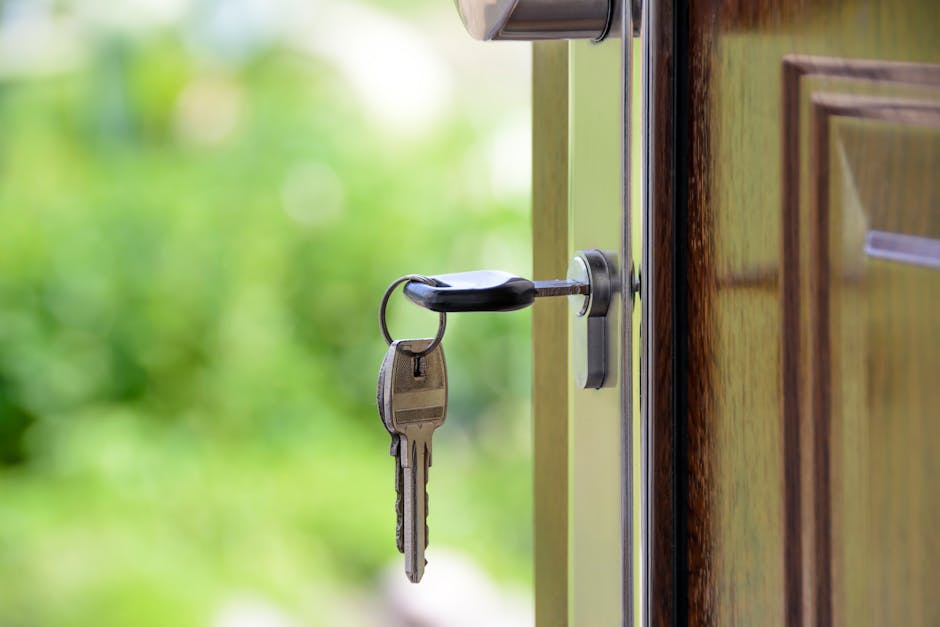
If you have a lot of doors or doors in different locations around your property, you might want a master key system. This is especially useful if you’re tired of carrying multiple keys or want to give family members selective access.
Here’s how it works: each lock has its own unique key, but there’s one master key that opens all of them. So you might have a key for your front door only, another key for the back door only, and a master key that opens both.
This takes professional design and precision to set up correctly. The locksmith has to understand your property layout and access needs, then configure each lock to fit that system. It’s not something you want to improvise.
Rekeying vs. Replacing: What’s the Difference?
You have two options when you want to change who can access your locks: replace the lock entirely, or rekey it.
Replacement: The entire lock mechanism comes out and a new one goes in. This is what you do if the lock is broken, if you want to upgrade to a stronger lock, or if you want a totally different style (like a smart lock).
Rekeying: The locksmith keeps the lock hardware but changes the internal pins so your old key no longer works. New keys are cut to fit the reconfigured lock. This is faster and less expensive than full replacement if your lock is in good condition.
Both options work well; it just depends on the condition of your current lock and whether you want to change the style.
Timing: When to Schedule Your Lock Installation
You don’t have to wait for an emergency. The best time to install a new residential lock is when things are calm and you can plan ahead. That way you’re not rushing or paying for emergency rates.
That said, lockouts and broken locks don’t always happen on your schedule. If you’re locked out or your lock breaks, professional locksmiths in Wasco offer fast response times to get you back inside quickly.
What does lock rekeying cost compared to lock replacement?
Rekeying is generally faster and costs less than full lock replacement because you’re keeping the existing hardware. However, exact costs depend on the type of lock and complexity of your needs. Ask a locksmith for a quote based on your specific situation.
Can I install a smart lock myself?
Many smart locks are designed for DIY installation if you have basic tools and feel comfortable with the process. That said, if you want professional installation to ensure everything is properly aligned and connected, a locksmith can handle it. This is especially helpful if you’re not tech-savvy or if you want the warranty that comes with professional work.
How often should I replace my residential locks?
If your locks are working smoothly and securely, you don’t need to replace them on a schedule. Replace them when they’re broken, when you’ve moved to a new home, when you want to upgrade security, or when you’ve lost keys and want to deny access to old key holders. Regular use doesn’t wear out a quality lock.
Do you need special permits for residential lock installation in Wasco?
Most residential lock installations don’t require permits. You’re simply replacing a lock on your own home. If you’re installing security systems or making structural changes to your home, that might be different, but a simple lock swap is typically a straightforward job. When in doubt, ask your locksmith.