A safe lock is the mechanism that secures the door of your safe and keeps your most valuable items protected. It’s the barrier between your belongings and anyone trying to access them without permission.
Choosing the right safe lock matters way more than most people realize. The wrong lock can leave your valuables exposed, while the right one gives you peace of mind. Let’s walk through what you need to know.
Related: Commercial Rekeying in Bakersfield: When & How to Do It Right
Types of Safe Locks Explained
Safe locks come in three main categories, and each one works differently.
Mechanical Combination Locks
These are the classic dial locks you’ve probably seen. You spin a dial to a series of numbers, and it unlocks mechanically when you hit the right combo. No batteries, no electronics, no maintenance headaches.
Mechanical combination locks have been proven effective for over 125 years. They’re simple, reliable, and they work the same way whether it’s 2026 or 2046. If the power goes out, your safe still opens. If you forget to replace a battery, you’re not locked out of your own valuables.
The tradeoff? You can’t change the combination easily, and you can’t monitor who accessed your safe and when. Once someone knows the combo, they know it. There’s no audit trail.
Group I Combination Locks
Group I locks are the most reliable and dependable option you’ll find for securing valuables. They’re built to military-grade standards and rated for high-security applications.
Related: Door Lock with Key: Types, Security & When to Call a Pro
These locks use precision mechanical engineering to deliver consistent performance under pressure. If you’re storing expensive jewelry, documents, or collectibles, Group I locks are what serious safe manufacturers install.
Related: Cylinder Lock for Storage Unit: How to Choose & Install
Smart Safe Locks
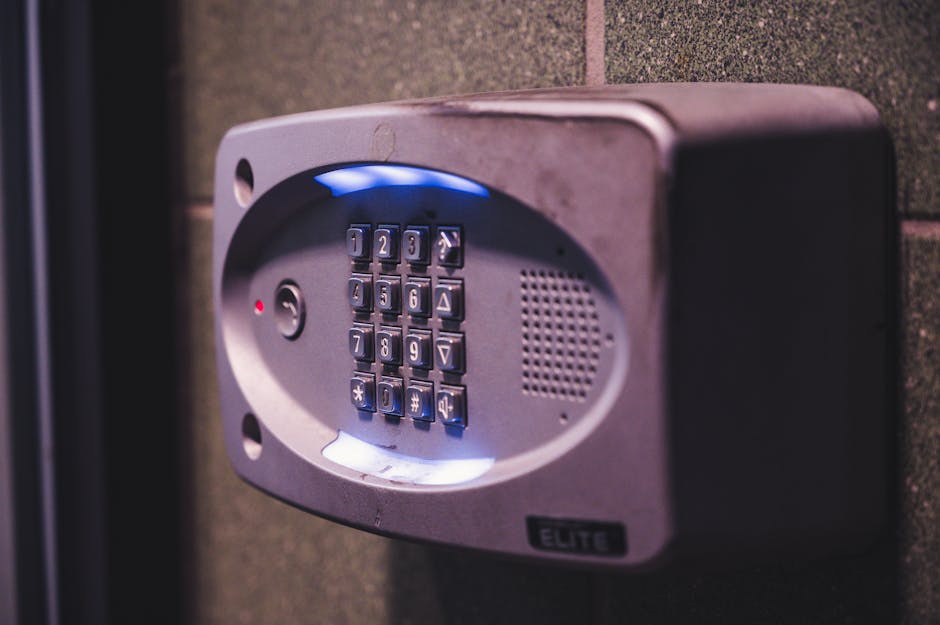
Smart locks bring modern convenience to your safe. You enter a digital code instead of spinning a dial, and the lock opens electronically.
The real power of smart locks is control and tracking. You can change access codes remotely, add or delete multiple user codes, and monitor audit event logs to see exactly who opened your safe and when. Some models send you alerts when the safe is accessed.
The downside is dependency. These locks need batteries or power. If you forget to maintain the battery, you could be locked out. That’s why many people prefer them for business safes where someone checks the battery regularly, not for personal home safes sitting in a closet.
Key Features to Compare
Before you pick a safe lock, think about what matters most to you.
Access Control
How many people need to open this safe? Mechanical locks lock out flexibility. Smart locks let you create separate codes for your spouse, your business manager, or your adult kids. You can revoke access instantly if someone leaves your household or business.
Maintenance
Mechanical locks need nothing. Smart locks need battery checks. Think about your lifestyle. Are you the type who remembers to maintain things, or do you prefer something that just works without fuss?
Customization
Safe locks come in different colors, styles, trims, and finishes. Some are designed to blend in with your safe’s appearance, while others stand out. This matters if your safe is visible in your office or bedroom.
Audit Tracking
Only smart-enabled locks let you monitor access history. If you store sensitive business documents or valuable items and need to know who accessed the safe and when, this feature is non-negotiable.
How to Choose the Right Safe Lock for Your Needs
Start by asking yourself three questions: What am I protecting? Who needs access? How much convenience do I need?
For personal valuables stored at home where only you and maybe your spouse need access, a mechanical combination lock works beautifully. It’s simple, reliable, and you’ll never worry about a dead battery.
For business safes where employees rotate, multiple managers need different access levels, or you need to track who opened what and when, a smart lock is worth the extra cost.
If you’re not sure which direction to go, professional consultation is really valuable. Joes Lock And Key can help you understand what your specific situation calls for and recommend the right type of lock for your safe.
Installation and Placement Matter

Buying the right lock is half the battle. Installing it correctly is the other half.
Professional installation using specialized equipment is recommended for safe placement and positioning. A lock installed crooked or with uneven pressure won’t function smoothly, and you might accidentally damage it trying to open it.
The location of your safe matters too. A safe bolted to the floor in a bedroom closet sends a different message than one sitting visibly in an office. Where you put it affects which type of lock makes sense.
Maintenance Tips for Your Safe Lock
Keep your safe lock working smoothly for years to come.
- If you have a mechanical lock, don’t force the dial if it sticks. Have it serviced instead.
- For smart locks, check the battery monthly and replace it before the low-battery warning kicks in.
- Keep the lock clean and dry. Dust and moisture cause problems.
- Test your lock occasionally. Don’t wait until you really need it to find out it’s not working.
- Write down your combination and store it somewhere safe and separate from the safe itself. Your memory can fail you.
If something feels wrong with your lock, get it inspected. A small problem caught early costs less than dealing with a broken lock when you’re locked out of your valuables.
When to Upgrade or Replace Your Safe Lock
Mechanical locks last a very long time, but they do wear out eventually. If your dial is hard to turn, if the tumblers feel loose, or if the lock sometimes opens on the wrong combination, it’s time to replace it.
Smart locks typically last 5-10 years depending on usage and battery quality. As technology improves, newer models offer better features like better mobile app integration or smarter alert systems.
If someone has compromised your safe lock or you think they know your combination, replace it immediately. If you’re selling your safe or moving it to a new location, replacing the lock is smart security practice.
Upgrading from a mechanical lock to a smart lock is also worth considering if your needs have changed. Maybe you have employees now, or you need to monitor access for insurance or compliance reasons. Joes Lock And Key can walk you through what an upgrade would involve and whether it makes sense for your situation.
FAQs About Safe Locks
Can I change the combination on my mechanical safe lock myself?
It depends on the lock model, but usually no. Most mechanical combination locks require factory reset or professional servicing to change the combo safely without damaging the lock mechanism. It’s worth getting a professional to do it rather than risk breaking your lock.
What happens to my smart safe lock if the batteries die?
You’ll be locked out of your own safe. That’s the biggest risk with smart locks. Most models have a manual override or keypad backup, but you need to know how to use it and have the key or backup code handy. Always maintain your batteries and have a backup access method in place.
Are Group I combination locks better than standard combination locks?
Yes, for high-security applications. Group I locks meet military standards and are more resistant to tampering and manipulation. If you’re storing extremely valuable items or operating a business where security is critical, the investment is worth it.
Can I retrofit an old safe with a new lock?
Usually yes, but it depends on your safe’s design. Some safes are built specifically for certain lock types. Before you buy a replacement lock, check your safe’s specifications or talk to a professional who can make sure the new lock is compatible and install it correctly.